Gardening Tips for South Florida

Palm Fertilization

Here in Florida our soil is poor, shallow, coupled with heavy rainfall during the growing season which results in a low natural reservoir of plant nutrients. Mature palms in your landscape should receive a complete granular fertilizer formulated for palms 3-4 times a year at the rate recommended on the bag. Small palms under 8 feet tall 2-5 lbs of fertilizer should be adequate. Select a fertilizer that contains controlled release nitrogen, potassium and magnesium. 8-2-12-Mg or even better 8-0-12 Mg to ensure you are getting an effective fertilizer is to specify that 100% of the N, K, Mg, and B sources are slow release and the Mn, Fe and other micronutrients are present in sulfate or chelated form. Click here to learn more about palm fertilization.


Landscape Mulch

All the different kinds of mulch available in Florida have benefits and drawbacks. Some are long lasting but don’t provide many nutrients when they break down. Soil pH may be reduced by pine bark and pine straw, which would be great for acid loving plants, but not for plants that require high-pH. Here is an overview of popular mulches.


Pine bark is a by-product of the forest industry. It comes in ground or nugget forms and has a dark brown color.

Melaleuca mulch is made from the invasive exotic trees. The product is cured at a high temperature to kill seeds.

Mixed hardwood mulch is a product from scrap lumber, recycled pallets, or tree stems that are too small to be used for paper or wood products.

Eucalyptus mulch comes from plantations in South and Central Florida where the trees are grown for mulch. They grow quickly so this is considered renewable.

Utility mulch is sold or given away for free by many utility companies.

This mulch comes from trimming trees, but it can come with weed seeds.

Cypress mulch Cypress trees grown in Florida are harvested for lumber used in fences, flooring, and other wood products. Cypress mulch is often produced from the waste wood generated in making these products, but it may also be produced from whole trees cut from our wetlands. The Florida-Friendly Landscaping Program does not recommend the use of cypress mulch, as it may be difficult to determine its origins.


Mulch inhibits weeds, adds beauty, helps reduce soil erosion, can improve soil and protects your plants.

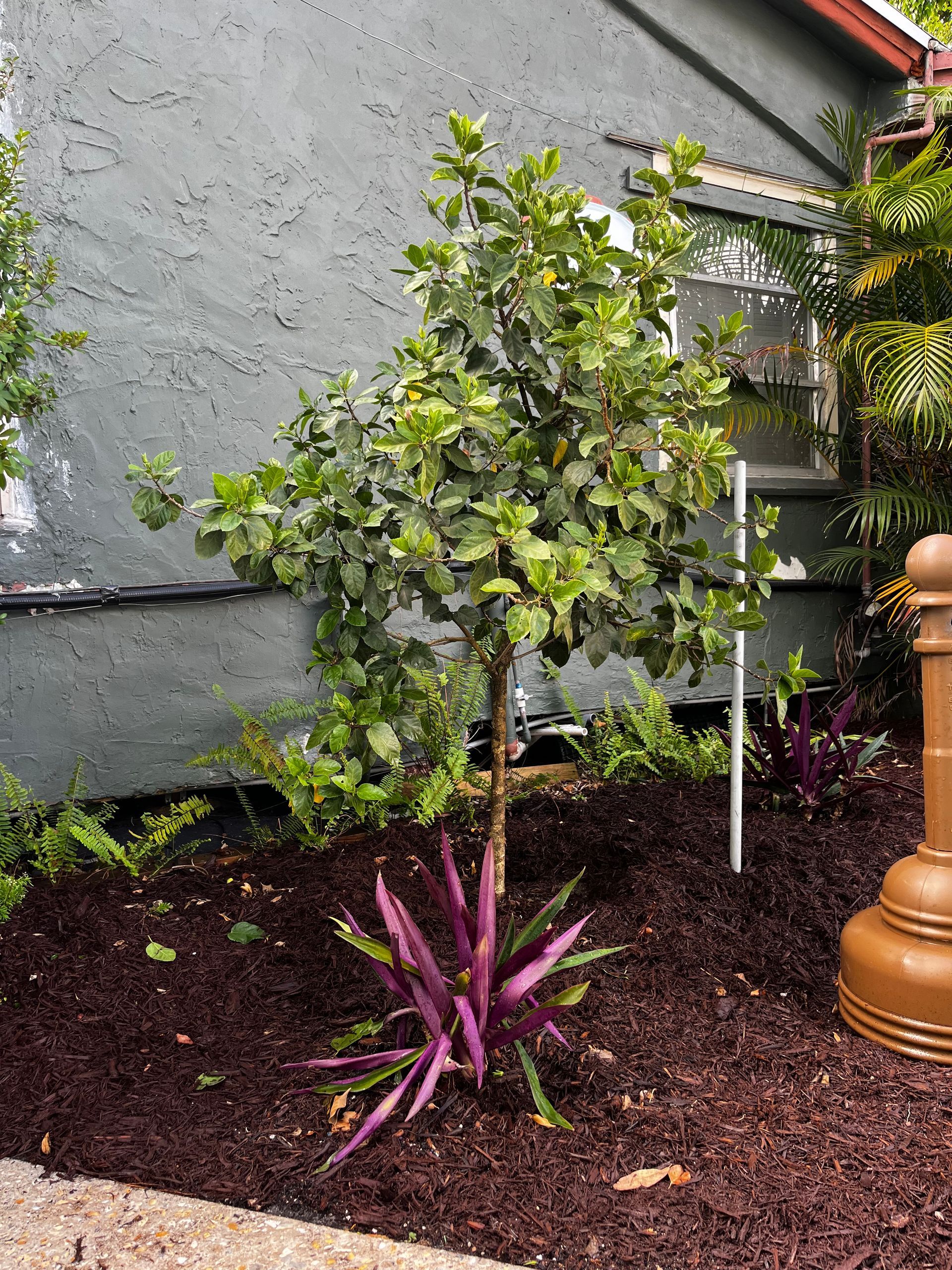
Avoid “volcano mulching” when mulch is piled against the base of a tree, it holds moisture, encouraging rot in the trunk. Mulch to the drip line or beyond. Rake old mulch. Some mulch can become matted, preventing water and air from seeping through. Rake it to benefit plantings and refresh the mulch’s appearance.


Invasive Plant Species

Florida Exotic Pest Plant Council (FLEPPC) “Category 1” list of invasive plants considered to be non-native invasive plants that are currently disrupting native plant communities in certain areas or throughout the state. Three popular landscaping plants on that list we should avoid planting to protect native habitats are:


  1. Lantana camara- alternatives that can be planted are infertile camara, look for the names Bloomify Red and Bloomify Rose. 
  2. Ruellia simplex (Mexican petunia) - alternative plant, look for the names Mayan purple, Mayan white, Mayan pink, and Mayan compact purple. 
  3. Sansevieria Hyacinthoides (snakeplant) “Category 2” – alternative, grow this plant in containers. The snake plant is a carefree house plant, needing minimal light and water and able to help keep the air inside your home clean.                                                           


Submitted by: Gail Rounds, Club Member,  Gardening Consultant and Master Gardener
                     

By Kathleen Peters June 14, 2026
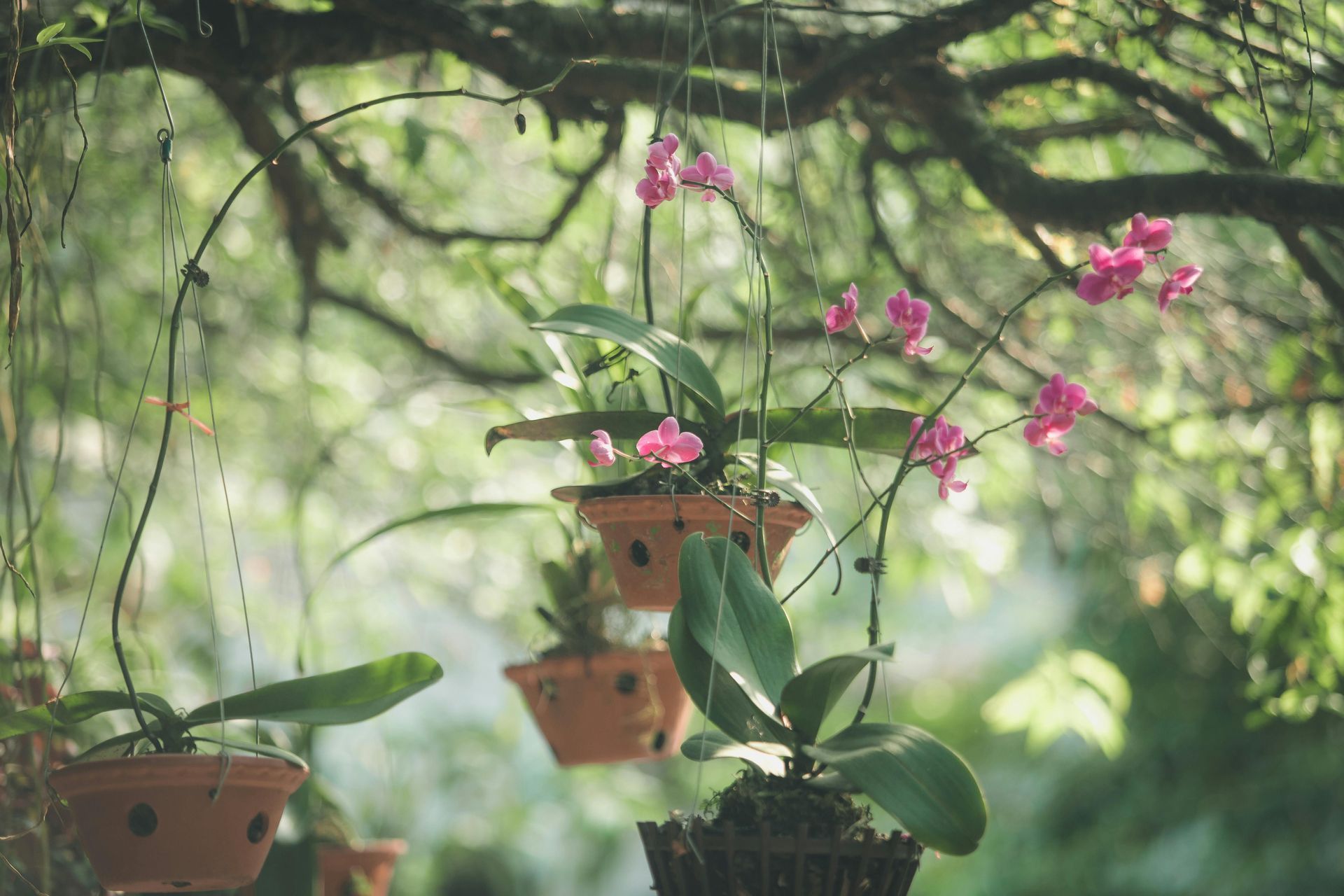
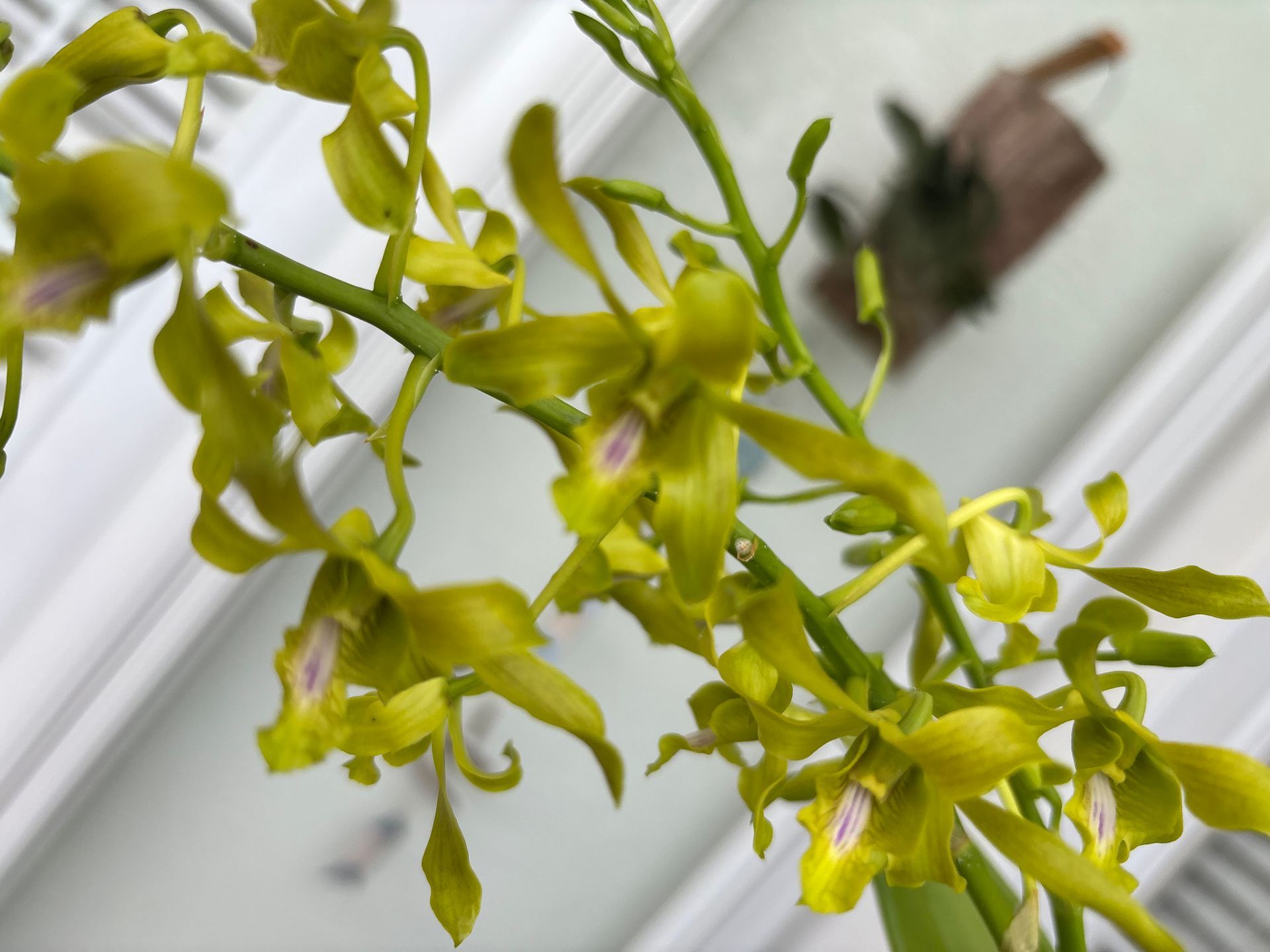
For this month’s garden spotlight, we’re featuring one of the beautiful orchids grown by our own Kathleen Peters, an accomplished gardener who seems to have a natural understanding of what plants need to thrive. Kathy serves as our Second Vice President and Membership Committee Chair, and her love of plants is reflected in the stunning orchids she nurtures at her home in Jensen Beach Country Club. Her collection proves that growing beautiful orchids doesn’t always require rare finds or complicated methods—just attentive care, patience, and a gardener’s touch. One of Kathy’s favorites is her Aree Dang Green Apple, a dendrobium. She has been growing this delightful orchid for the past three years. It enjoys plenty of bright, indirect light on her lanai, where most of her orchids happily spend their days. Kathy waters about once a week and fertilizes monthly during the growing season using Better-Gro orchid food. This past winter, she repotted her orchids in a blend of sphagnum moss and Better-Gro orchid potting mix, and the results have been rewarding—healthy plants that are clearly thriving. While the Green Apple remains a favorite, Kathy is currently watching another orchid with great anticipation. Her Cesar Green, also a dendrobium, is beginning to bloom, opening a little more each day. The flower spike stretches more than two feet in length and promises an impressive display of vibrant, intense color. Like many orchid enthusiasts, Kathy finds that part of the joy comes from the anticipation of waiting for each new bloom to unfold. Even more encouraging for those thinking about starting their own orchid collection, Kathy says many of her orchids came from Home Depot—a reminder that extraordinary blooms can begin in very ordinary places.
By Lisa Oster May 23, 2026
Memorial Day Weekend 2026
By Lisa Oster April 29, 2026
By Dina D'Angelico-Elms April 29, 2026
Congratulations Class of 2026
By Lisa Oster April 24, 2026
The Cupcake
By Lisa Oster April 24, 2026
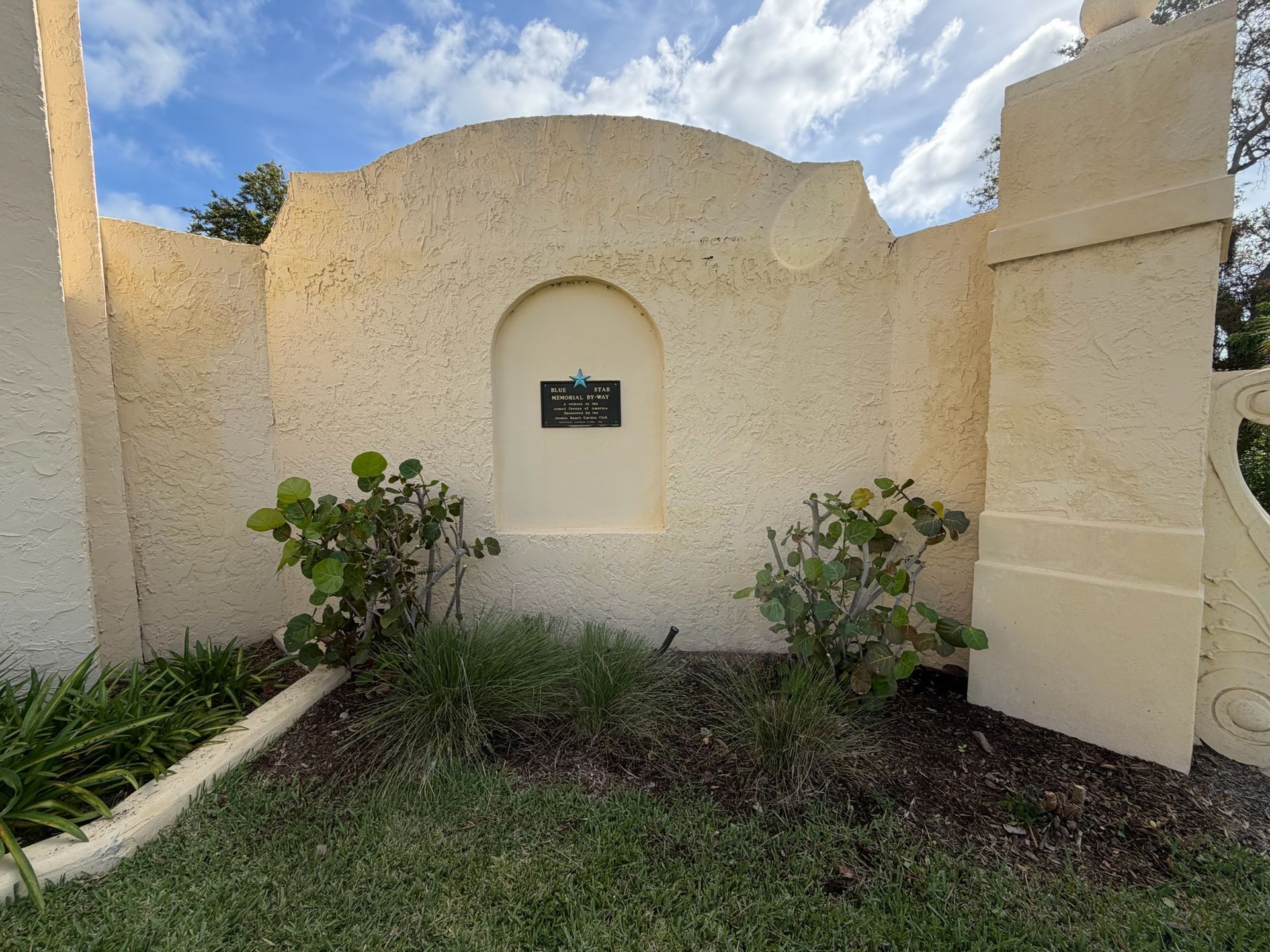
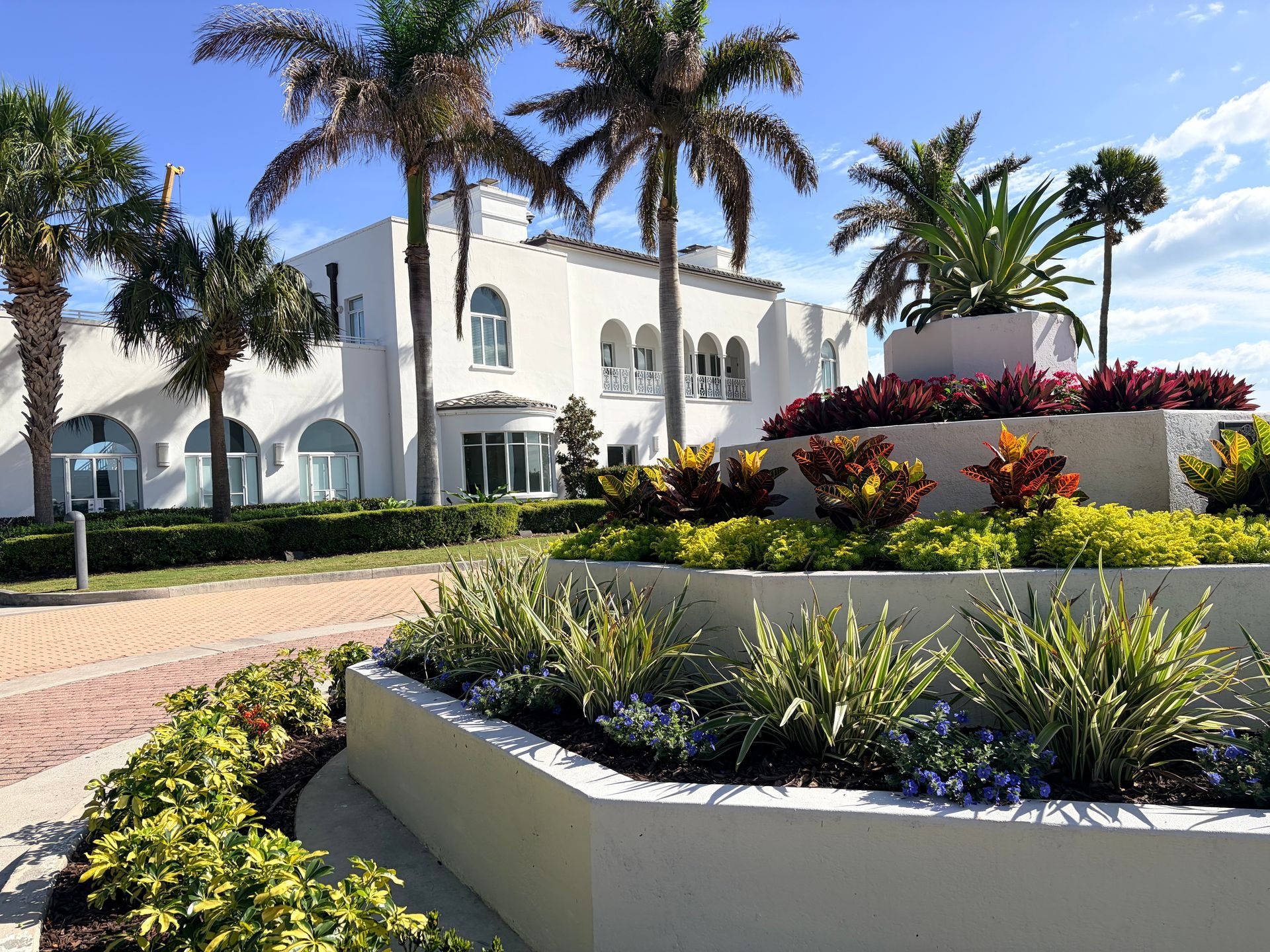
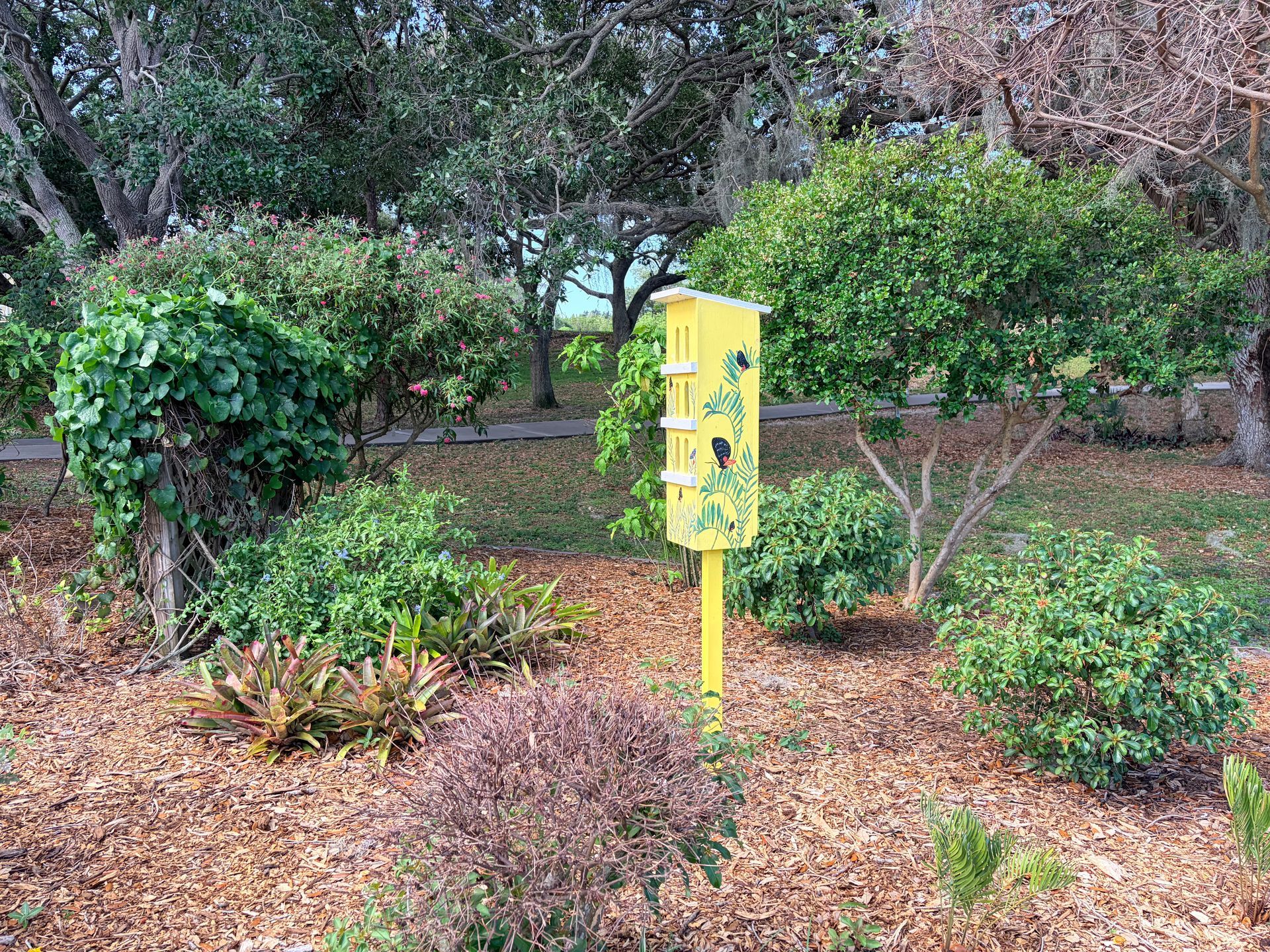
The park you know… and the hidden gardens you may not...
By Lisa Oster November 1, 2025
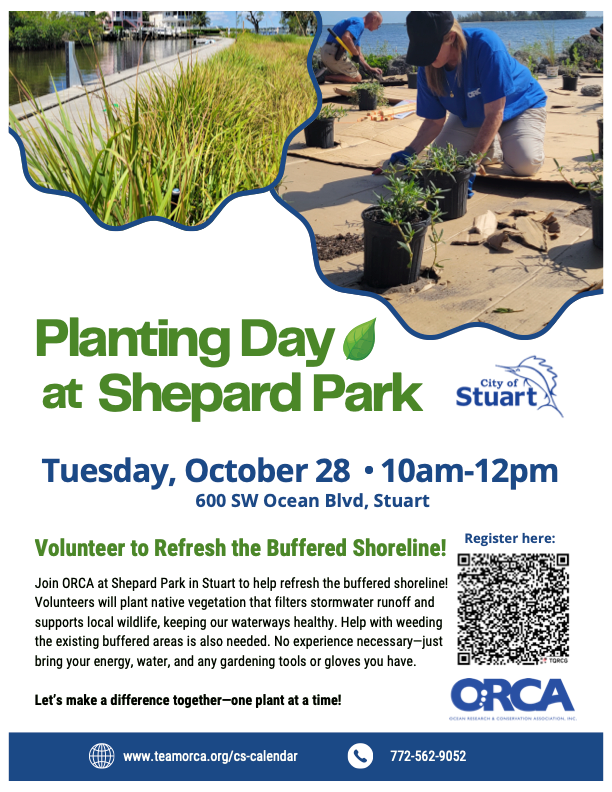
Shoreline Restoration at Shepard Park – October 28, 2025 Members of the Jensen Beach Garden Club recently joined forces with the Ocean Research & Conservation Association (ORCA) for a hands-on shoreline restoration project at Shepard Park in Stuart. Led by ORCA Research Assistant Natalie Stephens, volunteers worked to refresh the park’s 7,947-square-foot buffered shoreline—a living barrier designed to slow stormwater runoff and filter pollutants before they reach the Indian River Lagoon. Armed with trowels, gloves, and plenty of enthusiasm, members helped weed and replant native species, replacing vegetation that had been lost since the original 2021 installation. These “living filters” not only stabilize the shoreline but also improve water quality and provide valuable habitat for wildlife. This collaborative effort reflects the Garden Club’s commitment to environmental stewardship and community beautification. It was a rewarding morning of teamwork, learning, and friendship—all in the name of keeping our local waters clean and healthy.
By Dana von Rinteln and Patricia Jones August 15, 2025
A Fresh New Look for the Log Cabin
By Lisa Oster, Carly Batts & Nick Nickerson August 8, 2025
The Jensen Beach Garden Club was proud to partner with the Martin County Orchid Society (MCOS) to beautify downtown Jensen Beach Boulevard with 95 orchids—including 65 native species and 30 colorful non-native Dendrobium hybrids. With support from MCOS members and guidance from our own orchid expert Georgia Fowler , club volunteers helped install the orchids in oak and palm trees along the eastern portion of the boulevard. JBGC also committed to watering the orchids during their two-month acclimation period and will assist with ongoing care to monitor their survival. The addition of non-native orchids was funded by $300 donations from both JBGC and MCOS, providing an eye-catching splash of color as requested by the Chamber of Commerce and Martin County staff. Please review a summary of the project prepared by MCOS below. Next time you are strolling through downtown Jensen, look up! Martin County Orchid Society (MCOS) Native Orchid Restoration Program Jensen Beach Boulevard Beautification Project Background on the native orchid project After five years of participating in others’ native orchid restoration projects dealing with a single species, MCOS formed the Native Orchid Restoration Committee in 2021, with Carly Batts as committee chair. The committee was charged with proposing, obtaining Board of Directors approval and conducting at least two native orchid restoration projects per year. Projects approved so far include: 2022 - Bridge Road and Martin Highway capsule harvest and seedling grow-out 2023 - Indian Riverside Park and Twin Rivers Park 2024 - St. Lucie Shores STA and Hawk’s Hammock Park 2025 - Jensen Beach Boulevard Beautification and Possum Long Nature Center Reason for the urban approach The greatest threats to native orchids are loss of habitat and poaching. The Million Orchid Project, led by Dr. Jason Downing, showed that both threats could be eliminated by urbanizing native orchids—and as such, Miami Dade County now has hundreds of orchids in its most prominent downtown areas, including the Design District, South Beach, and Brickell. This brilliant conservation strategy was relayed by Dr. Downing to Carly Batts & Nick Nickerson at McKee Botanical’s Million Orchid Presentation in the early Summer of 2024. Jensen Beach’s own downtown has beautiful sprawling Live Oak trees, perfect for orchids to attach and flower in. Furthermore, Jensen Beach as a community is collectively made up of extremely active citizens who appreciate nature and various forms of neighborhood beautification. An enormous outpouring of well wishes and pride was received by MCOS/JBGC and MC Public Works Department over the installation of these 95 orchids from the community - which has created just as we had hoped - a grassroots watch party for this special group of plants. Numbers and types of orchids we planted 95 orchids (65 Florida natives of four species plus 30 Dendrobium hybrids) were installed in 15 oak trees and two cabbage palm trees. The four native species included the Florida Butterfly Orchid (Encyclia tampensis) in bloom, the Rigid Epidendrum (Epidendrum rigidum), the Night Fragrant Epidendrum (Epidendrum nocturnum) and the Cow Horn Orchid (Cyrtopodium punctatum). Because of moderate shade in the oak trees, the sun-loving and most endangered Florida native cow horn orchids were attached only to two cabbage palms. Number of volunteers that participated and organizations represented Twenty volunteers of Martin County Orchid Society, Jensen Beach Garden Club, Florida Native Plant Society and Martin County Public Works Department organizations participated in the four hour planting event on June 9, 2025. Planned care and follow up and any other future projects planned All MCOS Native Orchid Restoration Projects require five years of follow-up monitoring to determine and document survival and, occasionally add supplemental orchids to initial plantings. In the case of the Jensen Beach Beautification project that is directly in the public eye, the Jensen Beach Garden Club offered to provide supplemental watering during the two month acclimation period as well as periodic checking for secure attachment and survival of the installed orchids. Approved MCOS future (2025) native orchid restoration projects are described above. Pending projects include Harbor Island on Jupiter Island, Environmental Studies Center in Jensen Beach and the south Fork of the St. Lucie River in Halpatiokee Park. We encourage suggestions of other public and protected private lands for our projects. The MCOS native orchid greenhouse at Big Pine Nursery on Salerno Road was generously provided to the society by the owner since 2016. Unfortunately, the owner sold the property, and we lost the greenhouse in September 2024. The native orchid inventory was transported to Odom’s Orchids in Ft. Pierce where we rent bench space from John and Louise Odom on an in kind basis. Funding for MCOS NOR project was secured from the society’s operating account until 2025. Thanks to Carly Batts and Nick’s innovative funding search and Martin County Staff assistance, we secured a sizeable donation as part of a charitable requirement of the Three Lakes Golf project Planned Unit Development. Consequently, our NORP funding is dedicated only to native orchid restoration and is separate and distinct from the society operating account. Finally, it may be of interest that the orchids planted at the Jensen Beach Beautification project were purchased from Odom’s Orchids at wholesale pricing. The non-native Dendrobium hybrids were added to the natives for this project because the Chamber of Commerce and Martin County Staff believed more color was needed. We cannot use our native orchid funding for non-native orchids. Such funding must come from another source. We thank MCOS and JBGC for their $300 donations to purchase the Dendrobiums. We do not intend to add non-natives to future projects. We especially would like to thank Georgia Fowler for her membership in MCOS and her requesting our participation in the JBGC Plant Expo several years ago. Cooperation between nonprofits leads to multiple community successes – our NORP is but one prime example of that. THANK YOU JBGC!!!
By Dana von Rinteln August 8, 2025
Downtown Jensen Beach Gets a Fresh Burst of Color
By Jim Waymer Florida Today USA TODAY NETWORK – FLORIDA August 8, 2025
Invasive species fueled by state’s growth, global warming 
By Dina D'Angelico-Elms July 25, 2025
Congratulations Class of 2025
More Posts